


The Allure of Risk and Reward
The psychological mechanics of gambling are deeply rooted in concepts of risk and reward, stimulating emotions that can be both exhilarating and treacherous. The thrill of placing a bet often releases dopamine, a neurotransmitter associated with pleasure and reinforcement. This rush can lead to a cycle of repeat gambling behavior as players chase the high of winning while simultaneously encountering the discomfort of losses. Players interested in trying their luck can explore options like neosurf casino australia , where the anticipation of a potential win can keep individuals engaged, often leading them to underestimate the risks involved. This cycle of reinforcement is a significant factor in the compulsion to gamble, as individuals may find themselves returning time and again to experience that fleeting high.
Furthermore, many players are drawn to the idea of beating the odds and achieving financial freedom through gaming. This perceived opportunity can fuel hope and optimism, leading players to develop a belief in their ability to change outcomes through skill or luck. For some, this belief system can become so entrenched that it overshadows rational decision-making, resulting in a compulsive desire to gamble. Casinos play into this psychological aspect by designing games that enhance the illusion of control, such as skill-based games that seem to reward player decisions. Such games can create a false sense of agency, making players feel as though their choices directly influence the outcomes, further entrenching their gambling habits.
The environment within a casino also plays a significant role in enhancing the risk-reward dynamic. Features like bright lights, engaging sounds, and the presence of other players create a stimulating atmosphere that heightens excitement. This sensory overload can contribute to impulsive behavior, as players find themselves easily swept up in the moment. With each spin of the wheel or shuffle of the cards, the anticipation builds, feeding into their natural psychological predispositions for thrill-seeking and risk-taking. As such, the casino environment is meticulously designed to elicit emotional responses that keep players engaged, often leading to prolonged sessions of play.
The Role of Social Interaction
Social dynamics greatly influence gaming habits, as the communal aspect of gambling can enhance the overall experience. Players often seek the camaraderie of fellow gamblers, forming connections that can turn an ordinary gaming session into a shared event. This social interaction becomes a critical component, especially in group settings such as poker games or at slot machine banks where players can share their wins and losses. The desire for social validation can lead to increased gambling as individuals feel pressured to keep pace with their peers. This social aspect is not just about winning; it’s about the shared experiences, stories, and connections formed with others in the same environment.
Moreover, the psychological need for belonging can drive individuals to casinos in search of community and acceptance. Gamblers may feel a sense of identity within the gaming community, which can enhance their loyalty to specific games or venues. The more they engage in social gambling, the stronger these bonds can become, leading to habitual visits. Over time, these visits may morph from casual socializing into a compulsion, as the commitment to the group overrides personal financial responsibility. The social dynamic can create a feedback loop, where the enjoyment derived from belonging to a group reinforces the desire to gamble more frequently.
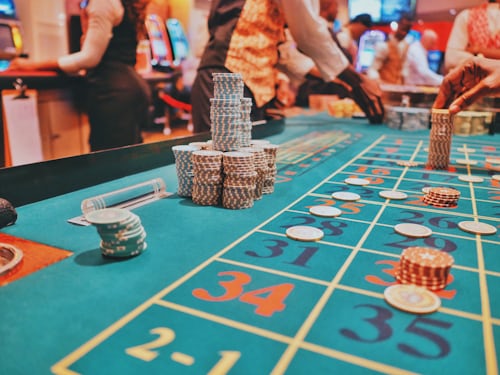
The casino environment often capitalizes on this social element by encouraging tournaments and group events, which promote interaction among players. These organized activities not only foster a sense of belonging but also create an opportunity for additional gambling. Group incentives, like shared jackpots or communal prizes, can result in heightened excitement, further encouraging players to participate regularly. In this way, the social aspect becomes intertwined with gambling habits, reinforcing the cycle of participation and making it harder for individuals to moderate their play.
The Impact of Cognitive Biases
Cognitive biases are mental shortcuts that simplify complex decision-making but can lead to errors in judgment. One of the most prevalent biases in gambling is the “gambler’s fallacy,” which is the belief that past events influence future outcomes in games of chance. For instance, if a player observes a particular number appearing frequently on a roulette wheel, they might assume it is unlikely to occur again soon. This flawed thinking can drive further betting, as gamblers become convinced that they can predict outcomes, despite each spin being independent. Such misconceptions can lead to significant financial losses as players chase perceived trends that simply do not exist.
Another cognitive bias is optimism bias, where individuals believe they are less likely to experience negative outcomes compared to others. This bias can lead players to underestimate the risks associated with gambling, fostering an overconfidence that can escalate their gaming habits. When they do win, this reinforces their belief that they possess unique skills or insights, further entrenching the potential for compulsive behavior. The more often they gamble, the more convinced they become that they have some control over their luck, creating a dangerous cycle where rational thinking is overshadowed by emotional responses.
Furthermore, framing effects can play a significant role in how players perceive their gambling experiences. The way options are presented can influence decision-making, leading individuals to react differently based on how a scenario is framed as a win or loss. This can alter their emotional state and motivate them to continue playing in hopes of recapturing past successes. For example, highlighting a near-miss can evoke feelings of excitement instead of loss, prompting players to continue gambling. Understanding these cognitive biases is crucial for both gamblers and those involved in the gaming industry, as they highlight potential pitfalls in decision-making that can lead to problematic gaming behaviors.
The Influence of Marketing and Environment
Marketing strategies utilized by casinos are meticulously crafted to attract and retain players, often leveraging psychological triggers to maximize engagement. Promotional offers, loyalty programs, and targeted advertising are designed to appeal to players’ emotions and encourage repeat visits. These strategies play into the desire for exclusivity and reward, tapping into feelings of being valued and appreciated. Such marketing can effectively exploit players’ psychological needs, leading to intensified gaming habits. The use of attractive bonuses and promotions serves not just as incentives but also as tools to create an emotional connection with the brand.

Moreover, the physical layout and design of casinos are intentional, promoting a seamless gaming experience. Features like open spaces, easy access to various games, and strategically placed amenities keep players immersed and engaged. The absence of clocks and windows further contributes to a distorted sense of time, allowing individuals to gamble for longer periods without realizing it. This environment encourages sustained focus on gaming rather than considering the risks or potential consequences associated with extended play. The sensory elements, including music and scents, are also carefully curated to maintain a welcoming and exciting atmosphere that keeps players wanting to stay longer.
The continual innovation of gaming technology also plays a significant role in shaping player habits. With the rise of online casinos and mobile gaming, the accessibility of gambling has increased dramatically. Players can now engage in gaming at any time or place, heightening the potential for habitual use. The convenience of online platforms often minimizes the perceived risks, leading individuals to gamble more frequently than they might in a physical setting. Understanding the marketing and environmental factors influencing gambling behavior is essential for fostering responsible gaming practices, as these insights can help both players and industry professionals create a more balanced approach to gaming.
Understanding Responsible Gaming
Given the complex interplay of psychological factors, social dynamics, and environmental influences, promoting responsible gaming is more crucial than ever. Awareness campaigns and education about the risks of gambling can be effective tools in reducing problematic gaming behaviors. By informing players about cognitive biases and the nature of chance, individuals may be better equipped to engage in awareness strategies that promote self-control and informed decision-making. These educational efforts can empower players to recognize when their gaming habits might be straying into unhealthy territory, encouraging proactive measures to mitigate risks.
Furthermore, many casinos implement responsible gaming initiatives, offering resources such as self-exclusion programs, limit-setting tools, and access to counseling services. These programs provide a safety net for individuals who recognize that their gaming habits may be veering into unhealthy territory. By fostering a culture of accountability and support, the gaming industry can help mitigate the risks associated with gambling while preserving the entertainment value it offers. This balance is essential in ensuring that gaming remains a positive experience for players while addressing potential harms.
Ultimately, understanding the psychology behind casino gaming habits is vital for both players and industry stakeholders. By recognizing the underlying factors that motivate gambling, the community can work together to ensure that gaming remains a fun and responsible pastime. Through education, support, and awareness, the risks associated with gambling can be effectively managed, allowing individuals to enjoy the social and entertainment aspects of gaming without succumbing to its potential drawbacks. This collaborative effort can lead to a healthier gaming environment where responsible practices are prioritized and celebrated.